Every figure and table of the exegesis, chapter by chapter. A figure with more than one image says so on its tile and shows the others on its own page; a table opens whole from its tile.
Table 1.1 starting points and their maturation across the researchIn the text
What I carried in
What the research made of it
A belief in assistive technology
Extended cognition, arrived at through cybernetics
Digital prosthetics, the founding idea
One of four instruments of change
Materiality
Material care; psychological scaffolding; praxis objects
Relationality informed by co-design principles
Togethering as part of community that I am a part of
A tool-maker’s idea of the designer’s role
Designing encounters, and the material conditions that enable them
Magic and playfulness
A facilitation sensibility of delight, directed attention, and embodied knowing
One-on-one tutoring
The co-learning stance of the workshop series
Chapter 2 The Ocean
2.1 Dinner party of theorists and disciplinesFigure page2.2 Peaks and troughs of neurodivergent cognition against the neurotypical normFigure page2.3 Three paths: brute force, sidestep, leapfrogFigure page2.4 Vygotsky's zone of proximal development as a Goldilocks environmentFigure page2.5 Examples of the tool lineFigure page
Table 2.1 adjacent educational traditions and where this research parts from themIn the text
Montessori (1967)
Steiner / Waldorf
Freire (1970/2000)
Shared sympathy
Designed environments and exercises that keep self-direction and autonomy intact
Creativity, imagination, embodied learning
Liberatory education; the political force of new experience
Where this research parts from it
A whole-school system, most developed for early childhood; this work is with late adolescence and early adulthood
Resistance to technology in learning (Mavrelos & Daradoumis, 2020) against this research’s commitment to digital extension
Does not re-orient around grassroots activism and consciousness-raising
Table 2.2 the taxonomy of extension, from claim to instance.In the text
Term
What it names
How I use it
Extended cognition
The theoretical position: thinking loops through tools, environments, bodies, and other people (Clark & Chalmers, 1998; Newen et al., 2018)
The umbrella claim the rest of the vocabulary operationalises
Instruments of change
This exegesis’s organising framework: the full range of supports a learner can adopt to extend cognition
Four directions: digital prosthetics, mind-body strategies, relational practices, space-making
Digital prosthetics
Technological artefacts that modify or extend cognitive capacities
One direction among the four; the founding idea this research began with
Extensions
Categories of support directed at a component of everyday learning (note capture, time sensing, reading by ear)
The middle layer of the neurodiversity.tools ontology; each extension gathers tools and strategies
Tools
Specific software, objects, or techniques, wielded for a purpose chosen by their user (Illich, 1973)
The concrete instances; a tool extends a capacity
Strategies
The underlying methods one or more tools employ (the Pomodoro Technique beneath a timing app)
What survives when a specific tool is swapped out
Instrument, as against tool
A support the learner corresponds with over time, reshaping their relationship to the capacity itself (Ingold, 2000)
Tools become instruments through practice and intimacy; the relational register this exegesis prefers
Chapter 3 Charting a Course
3.1 Practice-informed design research: phases and types of knowingFigure page3.2 Five interwoven practice strands across the PhD timelineFigure page3.3 Before/during/after workshop structure gridFigure page3.4 Shifts across the workshop seriesFigure page3.5 Research questions and contributionsFigure page
Table 3.1 summary of methodological orientationIn the text
Layer
Position
Ontology
Posthuman, relational
Epistemology
Social constructivist, pluriversal, embodied knowing
Methodology
Practice-informed, design-led, participatory
Methods
Co-learning workshops, playdates and playtesting, practice stories, interviews, debriefs, autoethnographic reflection, designerly inquiry through making
Types of Knowing
Experiential, procedural, narrative, material
Chapter 4 Ugly Ducklings
4.1 Exercise runsheet, Workshop 1Figure page4.2 Workshop setup before participants arriveFigure page4.3 The 12 Words page / slide as presented to participantsFigure page4.4 Scenario cards and Fabled Extension cards on the tableFigure page4.5 Original feelings palette / sticker sheet+1 more4.6 A participant's use of the feeling stickers+2 more4.7 Updated feelings palette with revised colour theoryFigure page4.8 Workshop materials as produced and used by participants+3 more4.9 Mark-making from the remote participant, or Temi robot in sessionFigure page4.11 Exercise runsheet, Workshop 2Figure page4.12 WAIS-IV results from the 2015 educational psychology assessmentFigure page4.13 From the platonic learner to the neurowiggly shapeFigure page4.14 Participant-created Miro board cognition shapes+2 more4.15 The tool line as a workshop provocationFigure page4.16 Workshop 2 online: the shared Miro board and the Zoom roomFigure page4.17 Exercise runsheet, Workshop 3Figure page4.18 StacksFigure page4.19 Custom stamps, cognition-mapping canvases and the tiffin-tin reveal+9 more4.20 Magic bands and the educated versus well-learned reflection+1 more4.21 Participants in the Have You Tried exerciseFigure page
Table 4.1 the Neuroformer series at a glanceIn the text
Detail
Partner
Youth Inc, Adelaide, through Metaversity (coordinator: Alex)
Cohort
Fifteen young adults aged 17 to 24, most disengaged from mainstream education; invited regardless of formal, undisclosed or no diagnosis; many with co-occurring ASD, ADHD, depression, anxiety, visual impairment, and other intersecting disadvantage
Workshops
3 Workshops over two months: Workshop 1 in person, Workshop 2 online, Workshop 3 in person
Exercises
About twenty across the series, new, adapted and repeated
Follow-up
Unstructured group reflections after each workshop; individual semi-structured interviews by consent, including repeat interviews
Data
Images, video and audio, transcripts, researcher, participant and staff observations, interview notes, and the physical artefacts produced, particularly the mark-making outputs
Chapter 5 The Swans
5.1 Cognitions > Extensions > Tools > Strategies hierarchyFigure page5.2 neurodiversity.tools interfaceFigure page5.3 Rattleback in use during a workshop+1 more5.4 3D-printed Columbus Egg+4 more5.5 Japanese puzzle boxes and 3D-printed versions+5 more5.6 Typographic posters communicating neurodivergent experience+4 more5.7 Risograph-printed versions+12 more5.8 Feeling stickers in use during a workshop+1 more5.9 Feeling sticker on a telepresence robot+3 more5.10 Cognition maps made with stamps and mark-making+20 more5.11 Example exercise card: planning side and delivery side+2 more5.12 Miro digital-twin workshop environments+1 more5.13 Tiffin tins with workshop materials+2 more5.14 Poker-sized cards and custom cardstock+8 more
Table 5.1 the creative outputs and the communities they serveIn the text
Output
Community
What it does
Neurodiversity.tools
Community of Experience
A digital library of instruments of change including digital prosthetics, reflective, relational and space making interventions that can be filtered, explored, experimented with and returned to at the learner’s own pace.
Visual, Physical and Perceptual Reflective Materials
Community of Experience
A collection of objects, metaphors and concepts to reimagine and extend learners’ sense of self.
Commitment devices
Community of Experience
Tangible aide-mémoires to reinforce, remind and aid learners as they take shifts and new stories about themselves out into the world.
The SEAT framework
Community of Care
A structure that employs an adapted transformational and transtheoretical model of change (Grocott, 2022; Raihan & Cogburn, 2025) to build compelling pluriversal workshops aimed at neurodivergent learners.
The Neurodiversity Playbook
Community of Care
A collection of exercises with detailed facilitation notes, instructions, and suggested variants that can be used both to sort and select exercises.
Materials and other ephemera
Community of Care
The things that allow the workshops and their exercises to run smoothly and aid in the production of personalised commitment devices and aide-mémoires.
Table 5.2 the four layers of the Neurodiversity.tools ontology and the lens that crosses themIn the text
Layer
What it names
What it lets a learner do
Cognitions
Components of thinking that are often bound up and related to one another, but whose relations are sometimes quite hard to predict, particularly with neurodivergent learners.
Subdividing them is useful because it is difficult to predict someone’s capacity in one domain of cognition by referencing directly to another. Depicting them separately gives a more accurate picture of self, and invites experimentation with domain-specific instruments of change.
Extension Areas
Categories of tools and strategies that aid particular parts of everyday life and learning. They take the elements of cognition and expand and direct them towards actual elements of self-extension.
Transfer that cognition area over to an assistive tool and an extended digital space, often to free up the mind to do more of what it’s best at.
Instruments of change (a lens across every layer)
A way of categorising interventions into cognition into four directions (digital prosthetics, mind-body strategies, relational instruments, space-making), operating as a cross-cutting lens over the whole ontology rather than as a single layer within it. Every entry in the database belongs to at least one direction.
Filtering by direction lets a learner move between registers of support, from a piece of software to a breathing practice to a way of arranging a room, without leaving the cognition they are working on.
Strategies
The underlying methods that one or more tools utilise to extend cognition.
If a tool stops working well, compare it with other tools that utilise the same strategy to take a step sideways, or try different tools that utilise very different strategies to shift approach entirely.
Tools
Very specific software, objects, or techniques. For this database I research and select tools individually, testing a number of different tools in a given extension areas to work out which perform best in terms of style, function, features, price and platform.
Choose from the broadest possible spread of personalised recommendations, weighing cost (free or paid), platform and style.
Chapter 6 Contributions
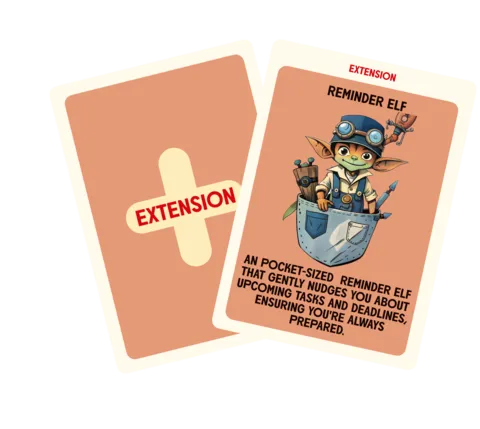
6.1 Robot figures, materials and tiffin tins from Workshop 3Figure page6.2 The reminder elf fabled extension card+1 more
Table 6.1 what the outputs offer each communityIn the text
Community
The community of experience: neurodivergent learners themselves
The community of care: teachers, facilitators, parents, and space makers
What the outputs offer
Mindset shift with minimal friction and low activation costs, and a bridge between workshop insight and daily life. Access to the Neurodiversity.tools library ensures learning experience can extend beyond a workshop. This allows ideas to be more readily brought back into everyday learning.
Customisable, flexible resources that lower the burden of producing pluriversal, transformational learning environments. Guidance on how to offer a menu of supports for self-selection by participants.
Served through
Neurodiversity.tools, a living digital library of instruments of change filtered by cognitive extensions and difficulty rather than diagnosis; Visual, physical, and perceptual reflective materials; and commitment devices, tangible aide-mémoires that travel with the learner beyond the workshop.
The SEAT framework as a structure for building workshops, detailed facilitation notes and priming scripts, and guidance on the gestures of care that, in aggregate, create a psychologically calming pedagogical practice.
Chapter 7 Reasons to Be Excited!
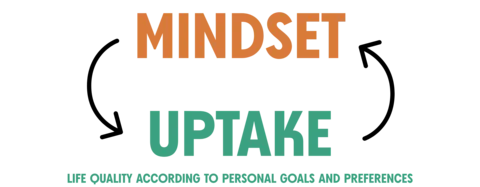
7.1 Mindset uptake: oscillation between paralysing and generative engagementFigure page
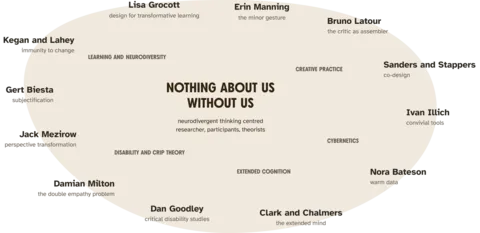 Figure 2.1Dinner party of theorists and disciplinesPlaced in 2.1 Introduction: A Narratively Informed Literature Review
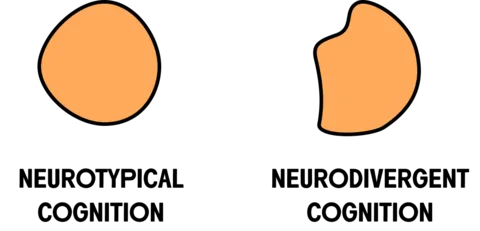 Figure 2.2Peaks and troughs of neurodivergent cognition against the neurotypical normPlaced in 2.2 Dis/ability & Neurodiversity: A Foundational Re-framing
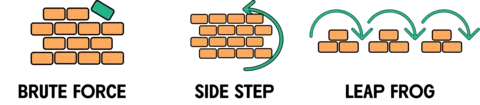 Figure 2.3Three paths: brute force, sidestep, leapfrogPlaced in 2.2 Dis/ability & Neurodiversity: A Foundational Re-framing
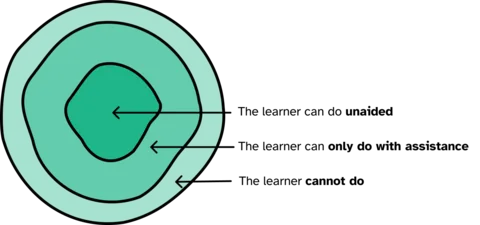 Figure 2.4Vygotsky's zone of proximal development as a Goldilocks environmentPlaced in 2.4 Learning and Transformation
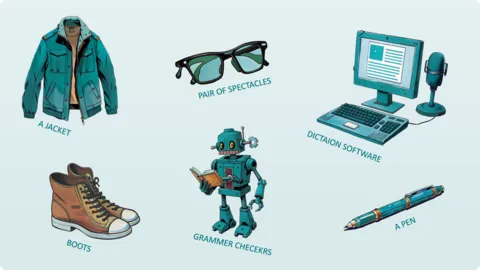 Figure 2.5Examples of the tool linePlaced in 2.5 Technology, Cybernetics, and Extended Cognition
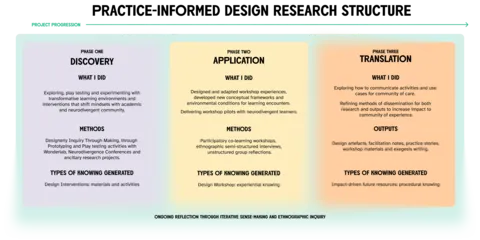 Figure 3.1Practice-informed design research: phases and types of knowingPlaced in 3.2 Introduction
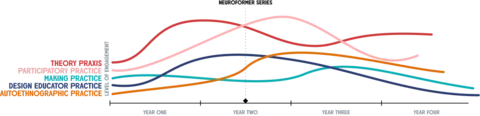 Figure 3.2Five interwoven practice strands across the PhD timelinePlaced in 3.3 Research Design
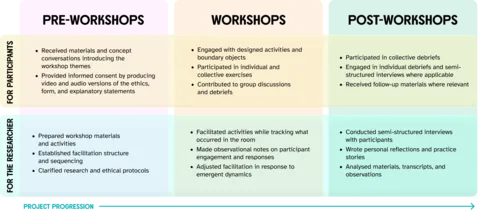 Figure 3.3Before/during/after workshop structure gridPlaced in 3.5 Workshop Trajectories
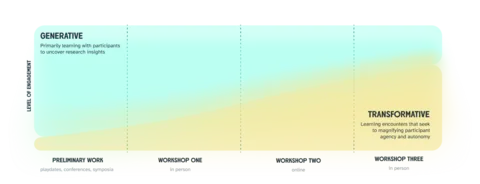 Figure 3.4Shifts across the workshop seriesPlaced in 3.5 Workshop Trajectories
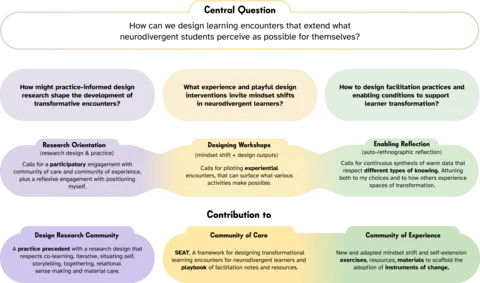 Figure 3.5Research questions and contributionsPlaced in 3.6 Research Questions and Contributions
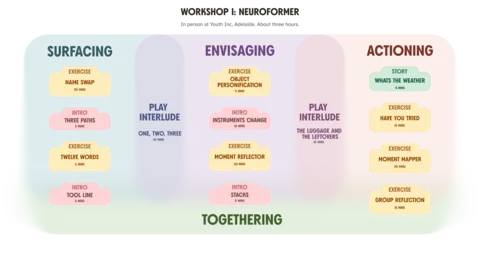 Table 4.1Exercise runsheet, Workshop 1Placed in 4.5 Ducklings (The Messy Middle)
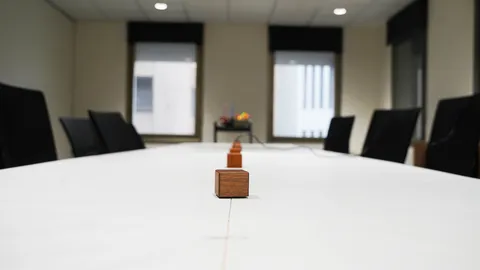 Figure 4.2Workshop setup before participants arrivePlaced in 4.5 Ducklings (The Messy Middle)
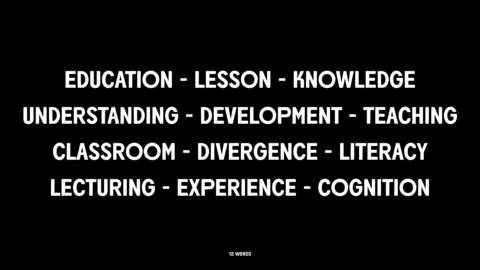 Figure 4.3The 12 Words page / slide as presented to participantsPlaced in 4.5 Ducklings (The Messy Middle)
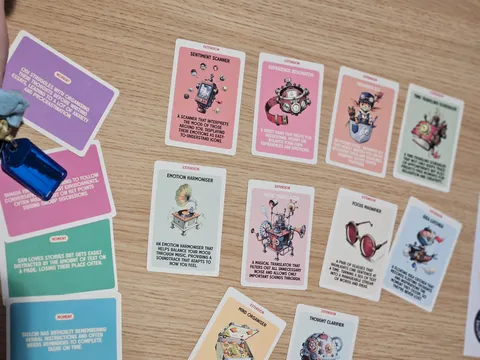 Figure 4.4Scenario cards and Fabled Extension cards on the tablePlaced in 4.5 Ducklings (The Messy Middle)
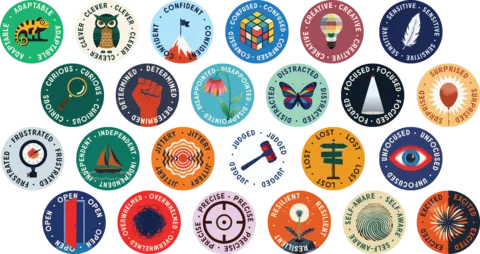 Figure 4.5Original feelings palette / sticker sheetPlaced in 4.5 Ducklings (The Messy Middle)
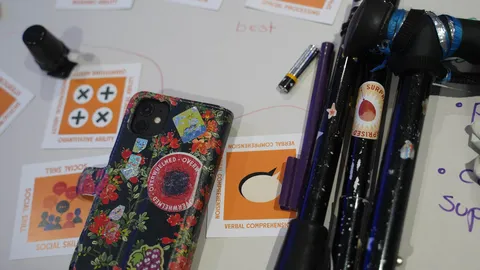 Figure 4.6A participant's use of the feeling stickersPlaced in 4.5 Ducklings (The Messy Middle)
 Figure 4.7Updated feelings palette with revised colour theoryPlaced in 4.5 Ducklings (The Messy Middle)
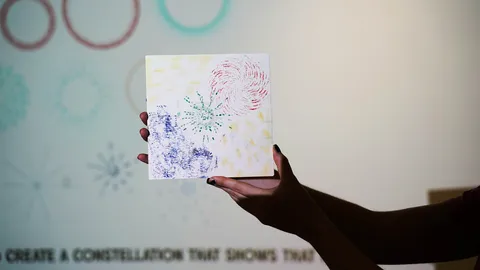 Figure 4.8Workshop materials as produced and used by participantsPlaced in 4.5 Ducklings (The Messy Middle)
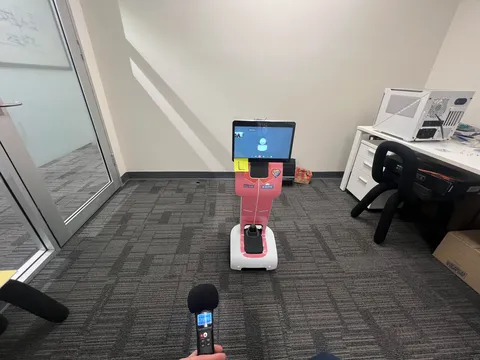 Figure 4.9Mark-making from the remote participant, or Temi robot in sessionPlaced in 4.5 Ducklings (The Messy Middle)
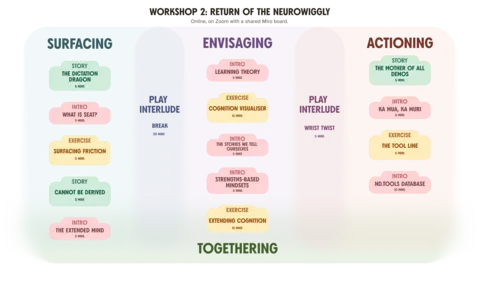 Table 4.11Exercise runsheet, Workshop 2Placed in 4.5 Ducklings (The Messy Middle)
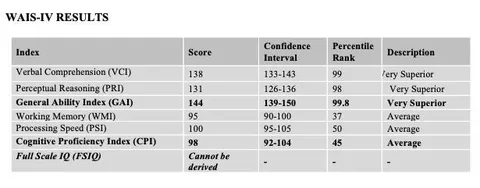 Table 4.12WAIS-IV results from the 2015 educational psychology assessmentPlaced in 4.5 Ducklings (The Messy Middle)
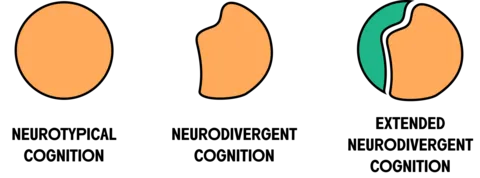 Figure 4.13From the platonic learner to the neurowiggly shapePlaced in 4.5 Ducklings (The Messy Middle)
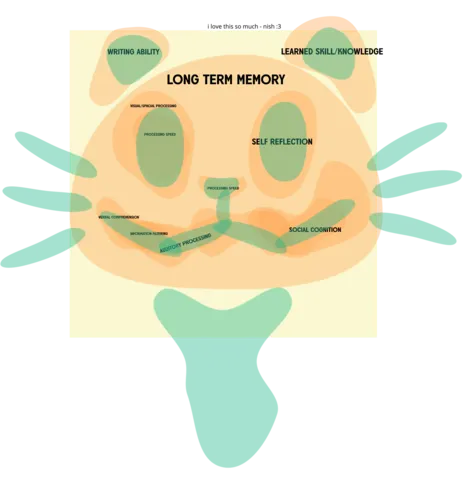 Figure 4.14Participant-created Miro board cognition shapesPlaced in 4.5 Ducklings (The Messy Middle)
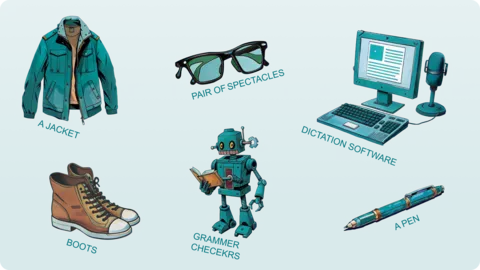 Figure 4.15The tool line as a workshop provocationPlaced in 4.5 Ducklings (The Messy Middle)
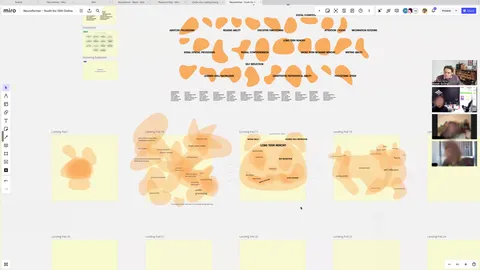 Figure 4.16Workshop 2 online: the shared Miro board and the Zoom roomPlaced in 4.5 Ducklings (The Messy Middle)
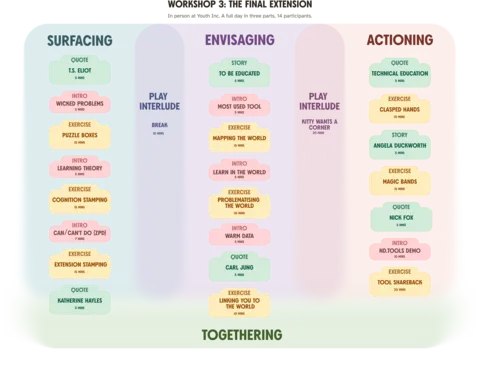 Table 4.17Exercise runsheet, Workshop 3Placed in 4.5 Ducklings (The Messy Middle)
 Figure 4.18StacksPlaced in 4.5 Ducklings (The Messy Middle)
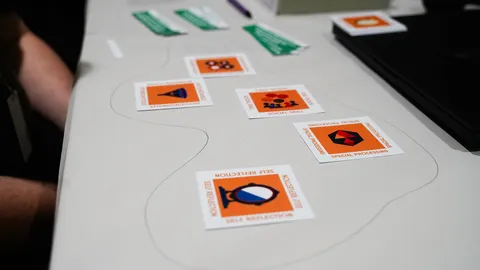 Figure 4.19Custom stamps, cognition-mapping canvases and the tiffin-tin revealPlaced in 4.5 Ducklings (The Messy Middle)
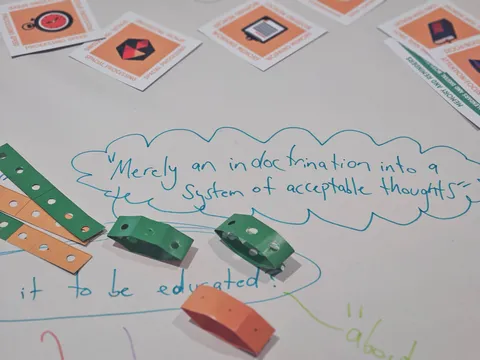 Figure 4.20Magic bands and the educated versus well-learned reflectionPlaced in 4.5 Ducklings (The Messy Middle)
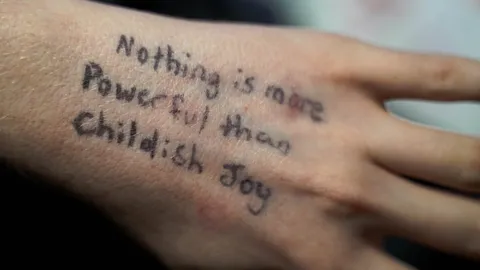 Figure 4.21Participants in the Have You Tried exercisePlaced in 4.5 Ducklings (The Messy Middle)
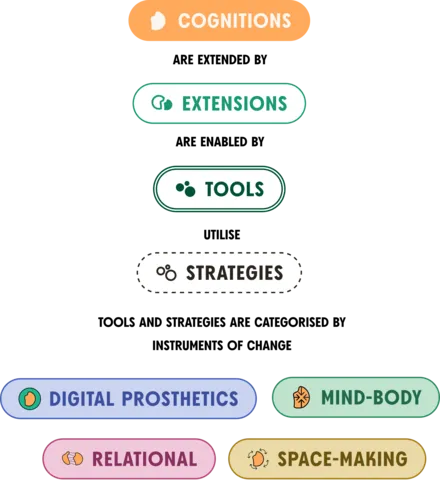 Figure 5.1Cognitions > Extensions > Tools > Strategies hierarchyPlaced in 5.2 For the Community of Experience (Neurodivergent Learners)
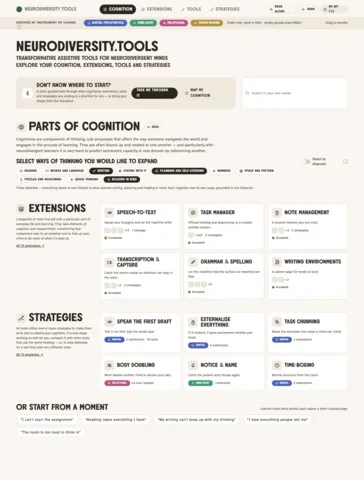 Figure 5.2neurodiversity.tools interfacePlaced in 5.2 For the Community of Experience (Neurodivergent Learners)
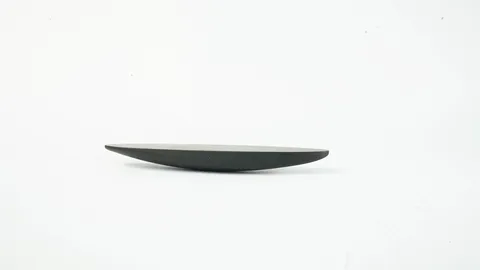 Figure 5.3Rattleback in use during a workshopPlaced in 5.2 For the Community of Experience (Neurodivergent Learners)
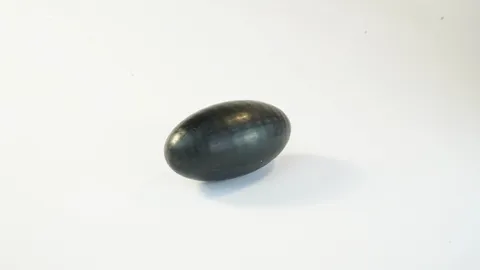 Figure 5.43D-printed Columbus EggPlaced in 5.2 For the Community of Experience (Neurodivergent Learners)
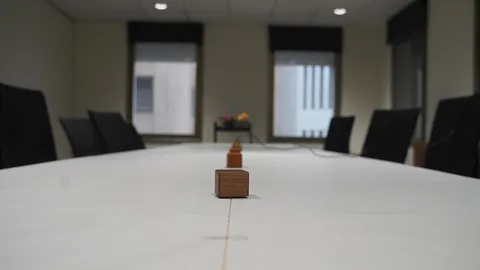 Figure 5.5Japanese puzzle boxes and 3D-printed versionsPlaced in 5.2 For the Community of Experience (Neurodivergent Learners)
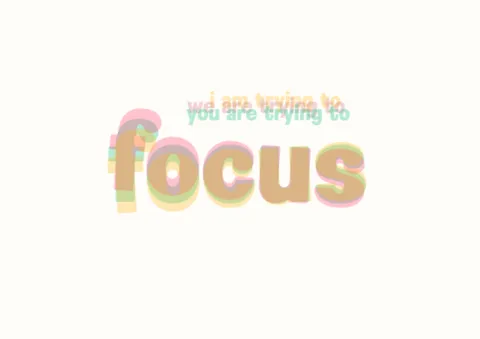 Figure 5.6Typographic posters communicating neurodivergent experiencePlaced in 5.2 For the Community of Experience (Neurodivergent Learners)
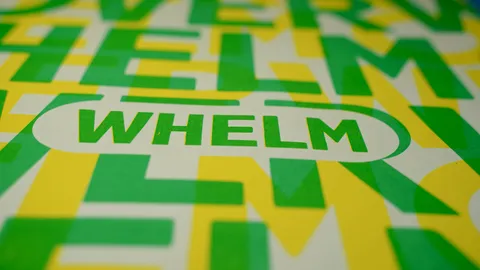 Figure 5.7Risograph-printed versionsPlaced in 5.2 For the Community of Experience (Neurodivergent Learners)
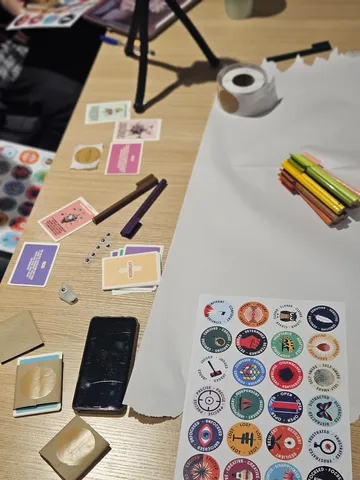 Figure 5.8Feeling stickers in use during a workshopPlaced in 5.2 For the Community of Experience (Neurodivergent Learners)
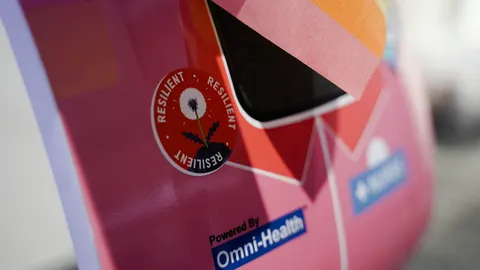 Figure 5.9Feeling sticker on a telepresence robotPlaced in 5.2 For the Community of Experience (Neurodivergent Learners)
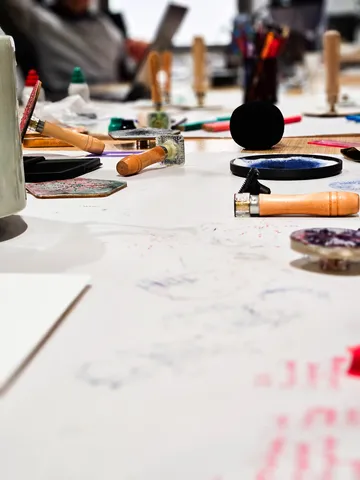 Figure 5.10Cognition maps made with stamps and mark-makingPlaced in 5.2 For the Community of Experience (Neurodivergent Learners)
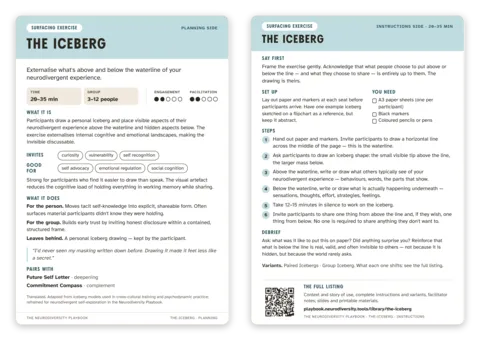 Figure 5.11Example exercise card: planning side and delivery sidePlaced in 5.3 For the Community of Care (Space Makers: Teachers, Facilitators and Parents)
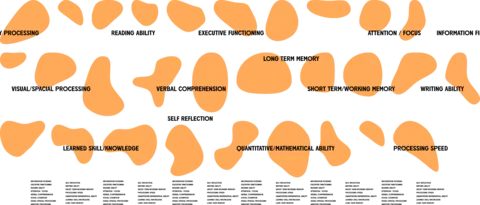 Figure 5.12Miro digital-twin workshop environmentsPlaced in 5.3 For the Community of Care (Space Makers: Teachers, Facilitators and Parents)
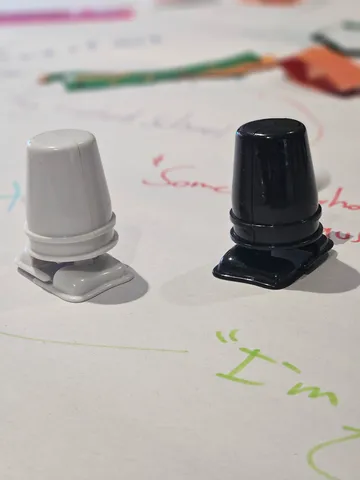
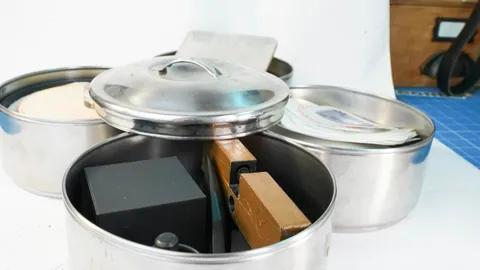 Figure 5.13Tiffin tins with workshop materialsPlaced in 5.3 For the Community of Care (Space Makers: Teachers, Facilitators and Parents)
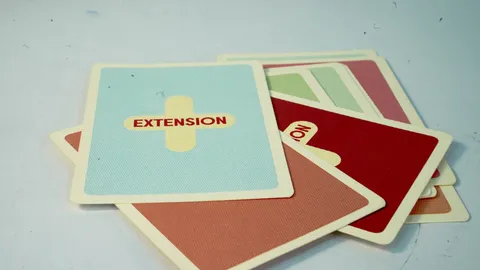 Figure 5.14Poker-sized cards and custom cardstockPlaced in 5.3 For the Community of Care (Space Makers: Teachers, Facilitators and Parents)